
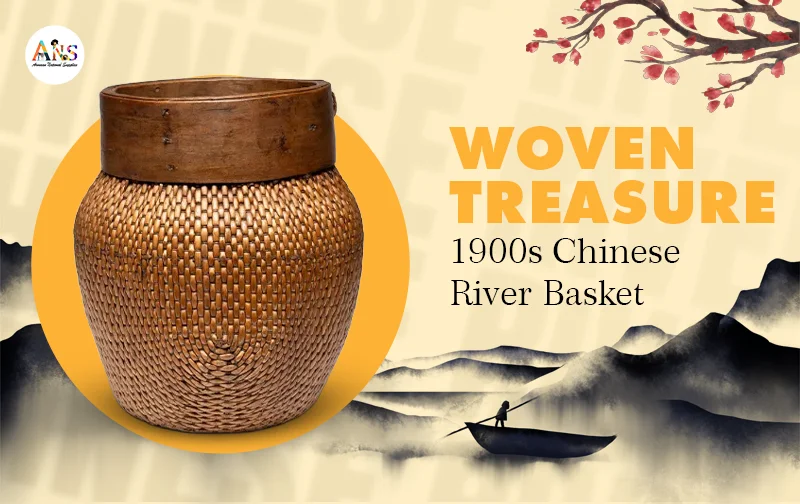
The Woven Treasure: A Collector's Guide to the 1900s Chinese River Basket.
- September 26, 2025,
In the world of antiques, some objects transcend their utilitarian origins to become true works of art. The Chinese woven basket, particularly the river baskets from the early 1900s, is a perfect example of this. These beautiful, handcrafted items tell a story of a bygone era, of hard work and intricate artistry. For collectors and enthusiasts, understanding the history and value of a Chinese woven river basket is key to appreciating its true worth. This guide will walk you through what makes these treasures so special and what to look for when adding one to your collection.
More Than Just a Basket
The baskets commonly referred to as “river baskets” were not just decorative items. They were a crucial part of daily life for communities living along China’s vast river systems. Used for fishing, carrying goods, and even as a type of Chinese woven measure basket for trading rice and other grains, these baskets were durable and built to last. The weaving techniques used were often passed down through generations, each region and family having its own unique style.
The materials used were typically natural fibers readily available near the rivers, such as bamboo, rattan, and reeds. The careful selection and preparation of these materials are what give each basket its unique texture, color, and strength. The result is a piece that is not only functional but also a testament to the skill and patience of the weaver.
What to Look For: Authenticity and Condition
When you're searching for a large woven basket from this period, authenticity is the first thing to consider. While many modern reproductions exist, an authentic antique will have specific characteristics. Look for signs of age and wear. A patina on the wood or a slight fading of the natural fiber indicates decades of use. The craftsmanship should be impeccable, with tight, even weaves and a sturdy structure. Slight imperfections are not necessarily a flaw but can be a sign of genuine handiwork rather than mass production.
Condition is also paramount. A basket in good condition will have minimal damage, with all the weaving intact. A few broken strands here and there are to be expected, but significant breaks or unraveling can diminish its value. Always inspect the base and the handles, as these are the areas that show the most wear. The best way to assess the condition is to see the item in person or request detailed, high-resolution photographs from the seller.
The Value of a Woven Treasure
Determining the value of a Chinese woven measure basket from the early 1900s can be complex. Factors such as age, condition, size, and the rarity of the weave all play a role. A basket from a well-known region or a particularly skilled weaver will naturally command a higher price. While it’s hard to give a definitive circa 1800 price for these antiques, a quick search on reputable antique websites or speaking with a dealer can give you a good sense of the market. Generally, prices can range from a few hundred dollars to several thousand for a rare and well-preserved piece.
To ensure you're getting a fair price and an authentic item, it's wise to go through a trusted and knowledgeable supplier. Companies like Armaan National Supplies specialize in sourcing and selling high-quality, genuine antiques. Their expertise can provide you with the peace of mind that you are investing in an actual work of art.
Collecting these baskets is more than just owning a piece of history; it’s about appreciating the artistry and culture they represent. Each basket holds a story, a connection to the lives of the people who created and used them. Happy hunting!